

Exploring the journey toward hair restoration can be simultaneously reassuring and challenging for individual patients worldwide. In the contemporary era of medical dermatology, virtual hair graft calculators have evolved into a popular starting point for people trying to determine their surgical needs. These electronic systems seek to estimate the ideal number of hair grafts required to attain a full head of hair, while concurrently implying a certain level of clinical success. On the other hand, understanding the multifaceted connection between algorithmic estimates and practical surgical outcomes requires a rigorous look into how these programs operate and where their shortfalls lie. Patients must realize that an digital estimator can never fully match the detailed judgment of a qualified hair transplant surgeon.
To understand how a hair graft calculator success rate is formulated, one must first analyze the inputs these digital systems rely upon. Most common calculators require the user to identify their stage of hair loss based on the standardized Norwood Scale for men or the Ludwig Scale for women. Moreover, users might provide their hair texture, including straight, wavy, or coarse, alongside their ethnic background, which naturally influences follicular unit characteristics. The mathematical formula then processes these details to output a recommended number of grafts, often fluctuating anywhere from fifteen hundred to over five thousand follicular units. While this provides an immediate, helpful numerical value, the stated success rate is entirely dependent on variables that no digital platform can ever truly see. Factors like follicular vascularization remain completely invisible to a standard algorithm.
The true survival rate of transplanted hair grafts is inherently defined by the proportion of moved follicles that successfully remain viable and produce healthy hair over a twelve-month span. In top-tier medical facilities, this actual survival rate often achieves between ninety and ninety-five percent under optimal clinical conditions. However, a web calculator assumes a uniform, idealized successful environment, ignoring the critical differences between surgical methodologies like Follicular Unit Extraction, widely known as FUE, and Follicular Unit Transplantation, commonly referred to as FUT or the strip method. Each technique carries unique profiles regarding graft transection rates, which is the unfortunate damaging of the hair bulb during extraction. Therefore, an automated estimation of four thousand grafts could yield dramatically different visual results depending entirely on whether the physical extraction is performed by a manual punch device.
Beyond the technical execution, the physical limitations of the patient's own donor zone play a massive role in whether the calculator's proposed plan aligns with permanent density. A calculator might impersonally suggest that a patient needs four thousand five hundred grafts to achieve full coverage across a completely bald crown and receding hairline. Crucially, if the patient’s donor zone on the back and sides of the head only possesses three thousand viable, extractable follicular units without causing permanent thinning or a patchy appearance, the calculator's mathematical blueprint becomes completely obsolete. Over-harvesting the donor area is a critical complication in modern hair restoration that leads to irreversible aesthetic damage, a reality that digital calculators cannot foresee because they lack the ability to perform a micro-camera examination of hair density per square centimeter.

Equally important, individual physiological factors dictate the final growth rate of the newly implanted hair follicles. celebrity hair transplant turkey of the recipient site is of utmost importance; if the scalp has poor blood circulation due to aging, scarring, or chronic medical conditions, the newly placed grafts will struggle to receive the oxygenation and nutrients required to survive the initial forty-eight hours post-op. Lifestyle elements also introduce unpredictable fluctuations into the equation, as active smoking, poor nutritional intake, high stress levels, or a lack of proper sleep can drastically diminish the body’s natural healing capacity, thereby lowering the actual survival rate far below what any standardized online calculator could ever anticipate.
Post-operative compliance represents another massive pillar of hair transplant success that completely evades mathematical pre-calculation. The first two weeks following a hair restoration procedure require painstaking adherence to a strict care regimen, including specialized washing techniques, avoiding any direct friction, sleeping at an elevated angle to minimize swelling, and steering clear of strenuous physical workouts or intense sun exposure. A patient could receive a flawless surgical placement of the exact graft count recommended by the highest-rated digital tool, only to accidentally dislodge dozens of crucial follicles through careless scratching or by wearing a tight hat too early, which drastically alters the final density and overall success percentage.
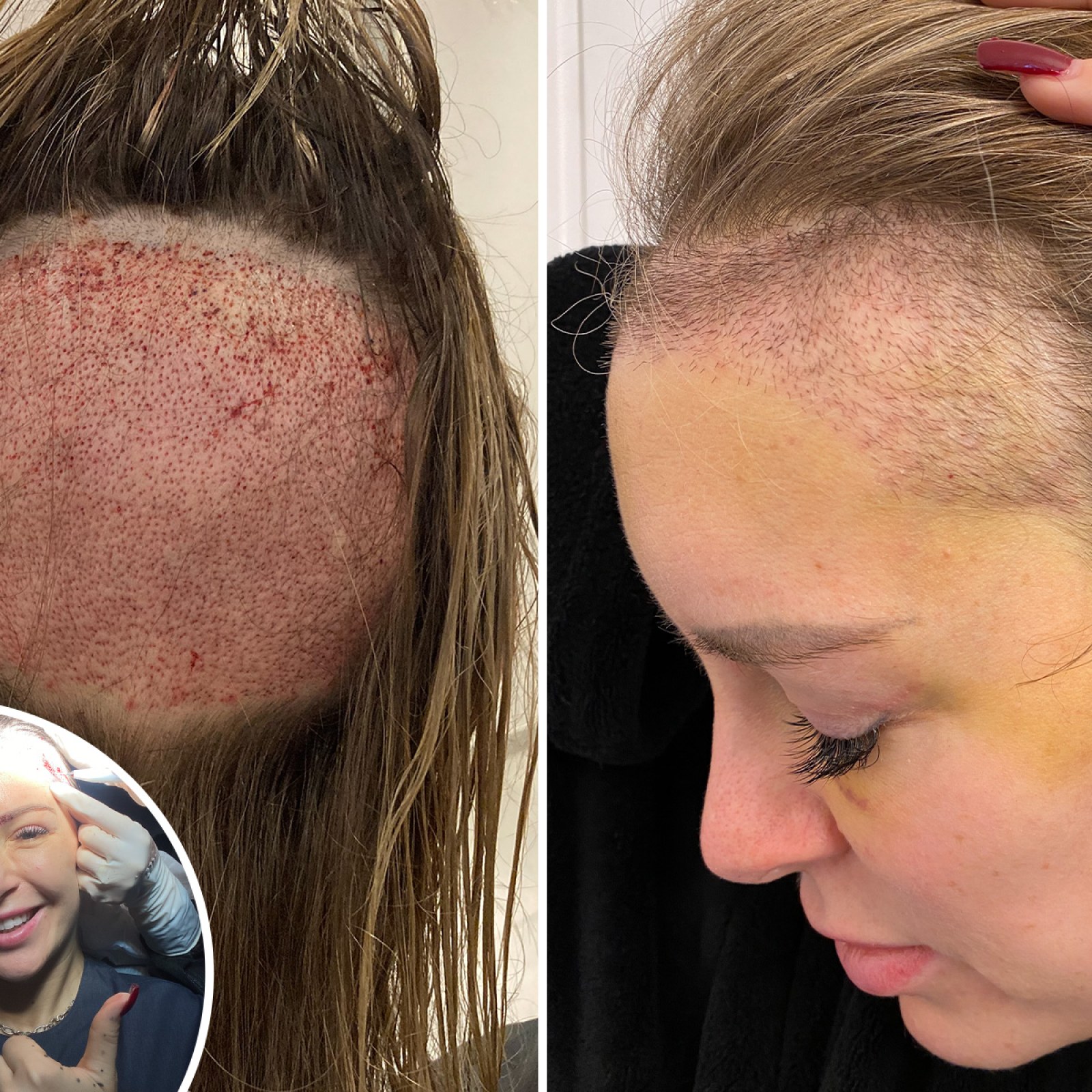
When analyzing the phrase hair graft calculator success rate, patients must also decouple the concept of graft survival from the concept of aesthetic satisfaction. A procedure can be a total clinical success with a ninety-five percent graft survival rate, yet still look completely unnatural or visually disappointing if the orientation, angle, and artistic distribution of those hairs do not mimic natural human growth patterns. Online calculators are entirely devoid of artistic intuition; they treat the human scalp as a flat two-dimensional plane rather than a complex, three-dimensional moving canvas that requires custom-tailored design strategies, such as creating an irregular, age-appropriate micro-hairline rather than a solid, artificial wall of hair.
To achieve the highest possible transformational result, individuals should utilize online hair graft calculators purely as a preliminary educational resource to gain a generalized baseline understanding of their potential hair loss progression. The true roadmap must always involve a comprehensive, in-person or high-definition virtual consultation with an ethical, experienced hair restoration specialist who utilizes diagnostic instruments like trichoscopy to measure exact hair diameters, evaluate follicular groupings, check for signs of scalp inflammation, and calculate precise long-term donor management strategies. Ultimately, hair restoration is an intricate blend of medical science, biological realities, and fine artistry, making human expertise the ultimate factor in turning a digital calculation into a permanent, natural, and highly successful transformation.